
Learn how to cook pasta (like they do in Italy) with my favorite tips and tricks from Italian culinary school. These 11 techniques will help you finally cook authentic Italian pasta dishes.
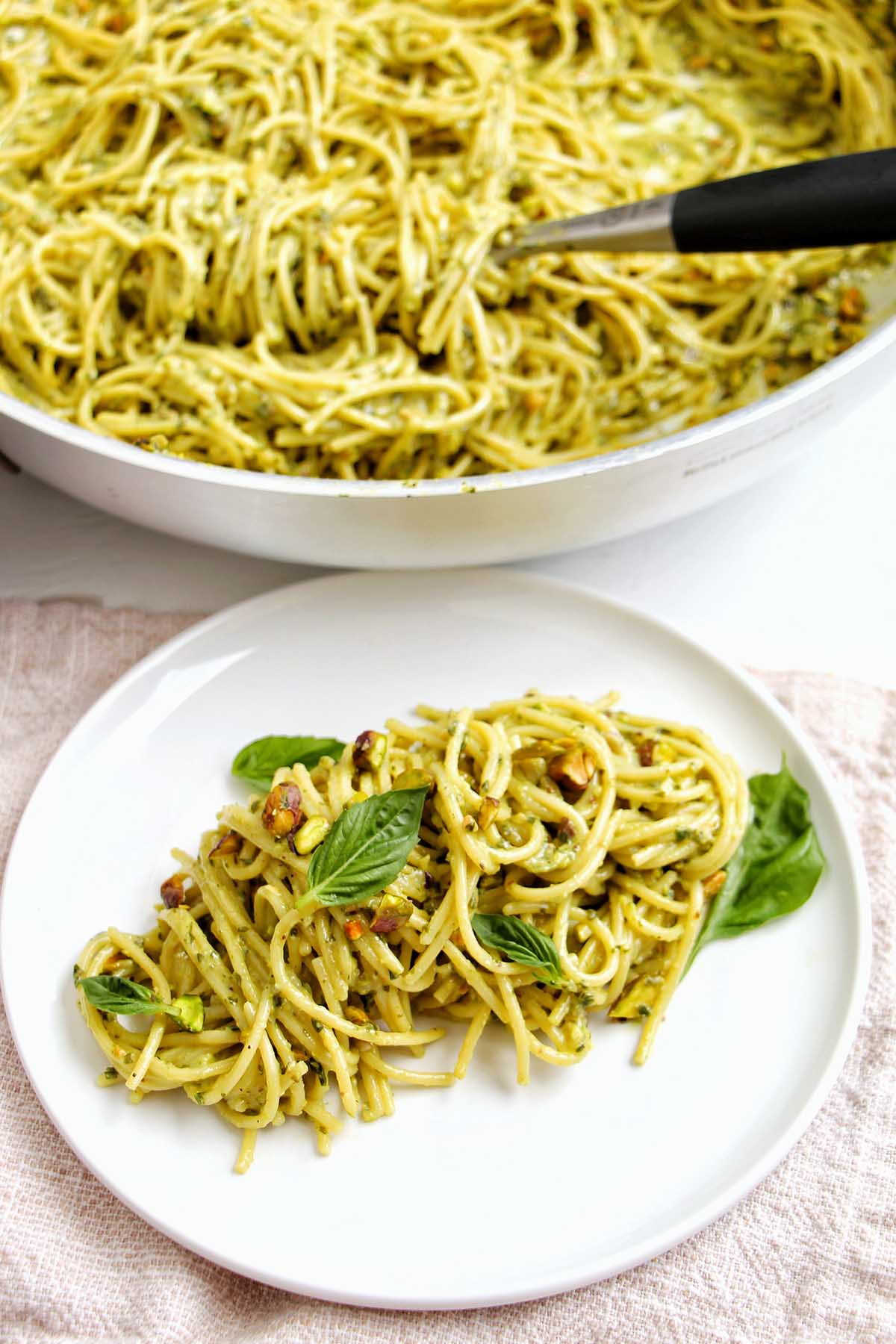
As you imagine, after going to culinary school in Italy, you learn a thing or two about making really delicious pasta!
Day one of culinary school, we immediately started to learn the tricks of the trade for cooking pasta the Italian way. I swear I ate so much pasta, sometimes even at 8:00 am, right when class started.
After watching Chef John demo pasta dish after pasta dish, I started to pick up on the techniques that Italians use to make (arguably) the best pasta in the world.
None of these techniques are hard or revolutionary (that's part of the beauty of Italian food). They keep pasta simple, yet so delicious!
With a little practice, you'll be well on your way to mastering these techniques!
Jump to:
- How To Make Pasta Like An Italian
- 1. Always Salt Your Pasta Water
- 2. Only Cook Pasta To Al Dente
- 3. Never Overcook The Pasta
- 4. Don't Discard The Pasta Water
- 5. Use Stock Instead of Pasta Water
- 6. Finish Cooking Pasta With The Sauce
- 7. Add Water If You Can Hear The Pasta
- 8. Cook The Pasta At High Heat
- 9. Add Cheese Without Heat
- 10. Taste And Season
- 11. Don't Be Scared To Garnish
- Italian Pasta Recipes
If you enjoy cooking authentic Italian food, be sure to grab my free eBook with 10 of the best Italian inspired recipes.
1. Always Salt Your Pasta Water
Salting your pasta water helps to infuse flavor into the pasta. It seems obvious to season the water, but many people don’t!
Italians tend to use coarse sea salt for this. In culinary school, we always tasted the boiling water (be careful with this step) to ensure it was properly seasoned.
Seasoning your pasta water just like seasoning your food. You should be able to taste the salt, so the water is properly flavored, just like your food would be.
2. Only Cook Pasta To Al Dente
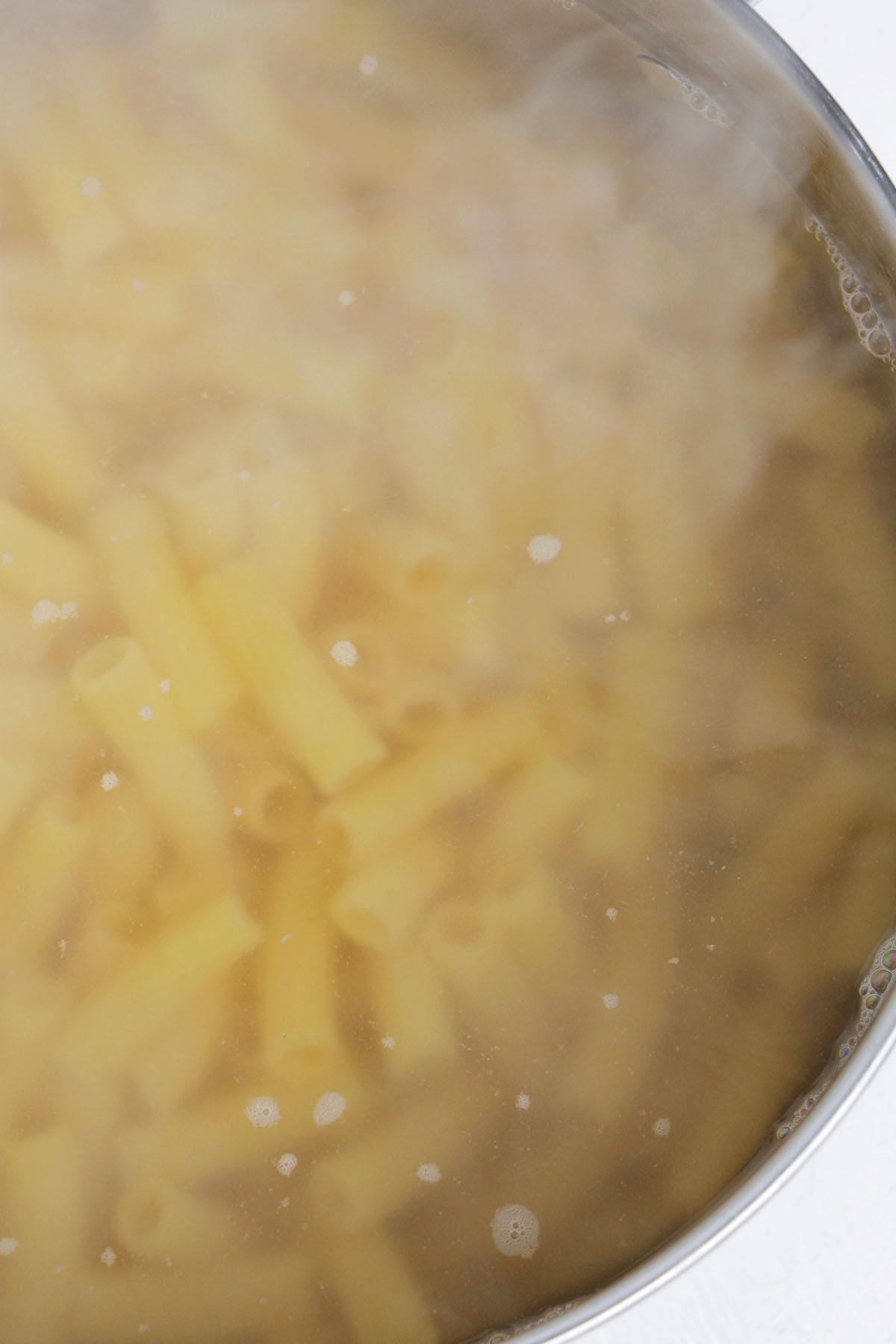
Italians don’t eat pasta that’s mushy or overcooked. In fact, one of the biggest lessons I learned in culinary school was that pasta should still have a firm bite to it. You cook the pasta only until al dente because it finishes cooking with the sauce in the pan.
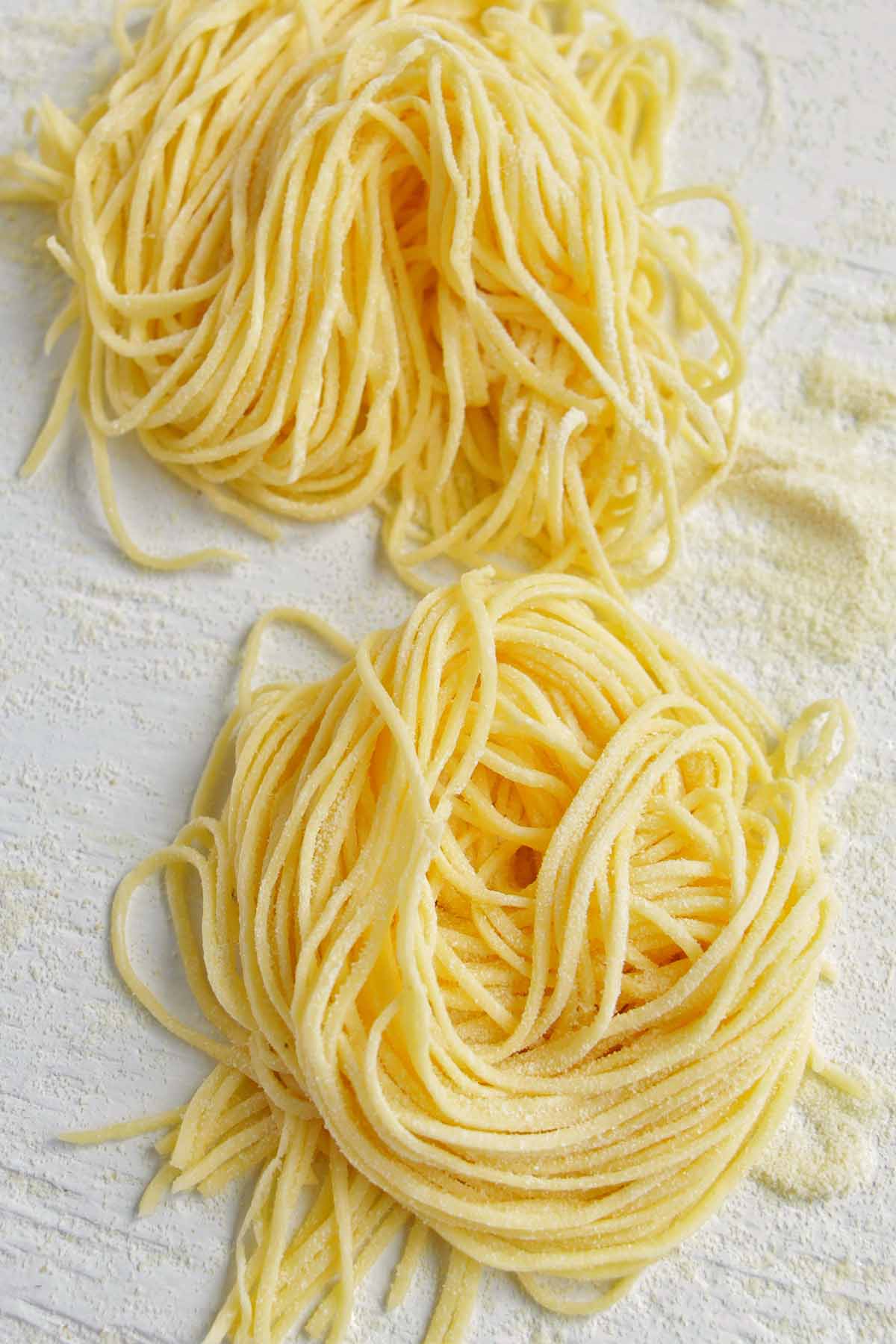
If you're cooking fresh, handmade pasta, it only needs to cook for about 30 seconds to 2 minutes, until it's slightly softened. Then, you'll finish cooking it with the sauce of your choice.
For dried pasta, I like to cut the recommended cooking time on the box down by 2 minutes so the pasta is cooked until it's softened but still firm.
3. Never Overcook The Pasta
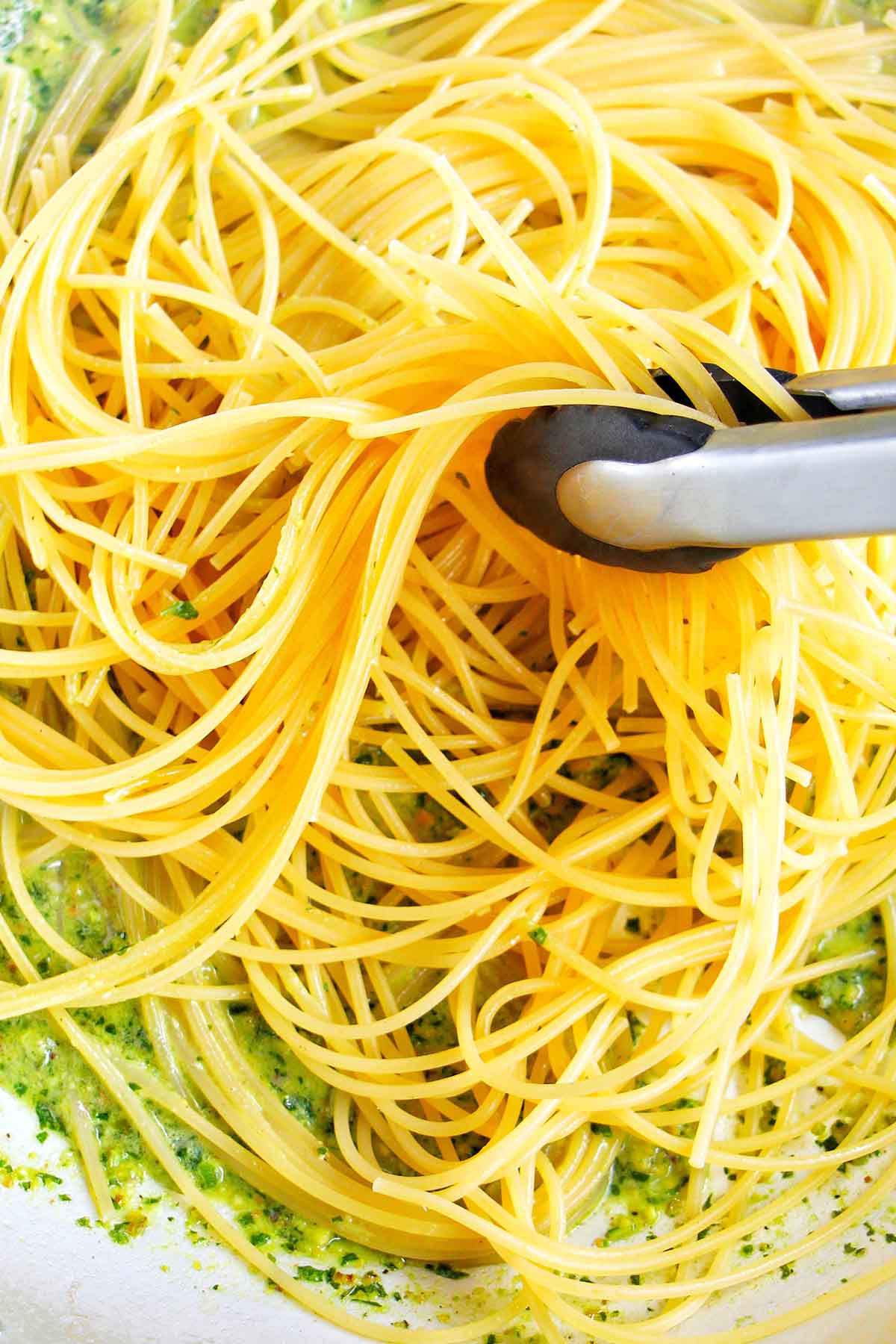
After you boil the pasta, it's then transferred over to a pan where you finish cooking it (to al dente) with the sauce.
Even after cooking the pasta in the pan with the sauce, it should still have a firm bite to it. You never want the pasta to be soft or mushy!
4. Don't Discard The Pasta Water
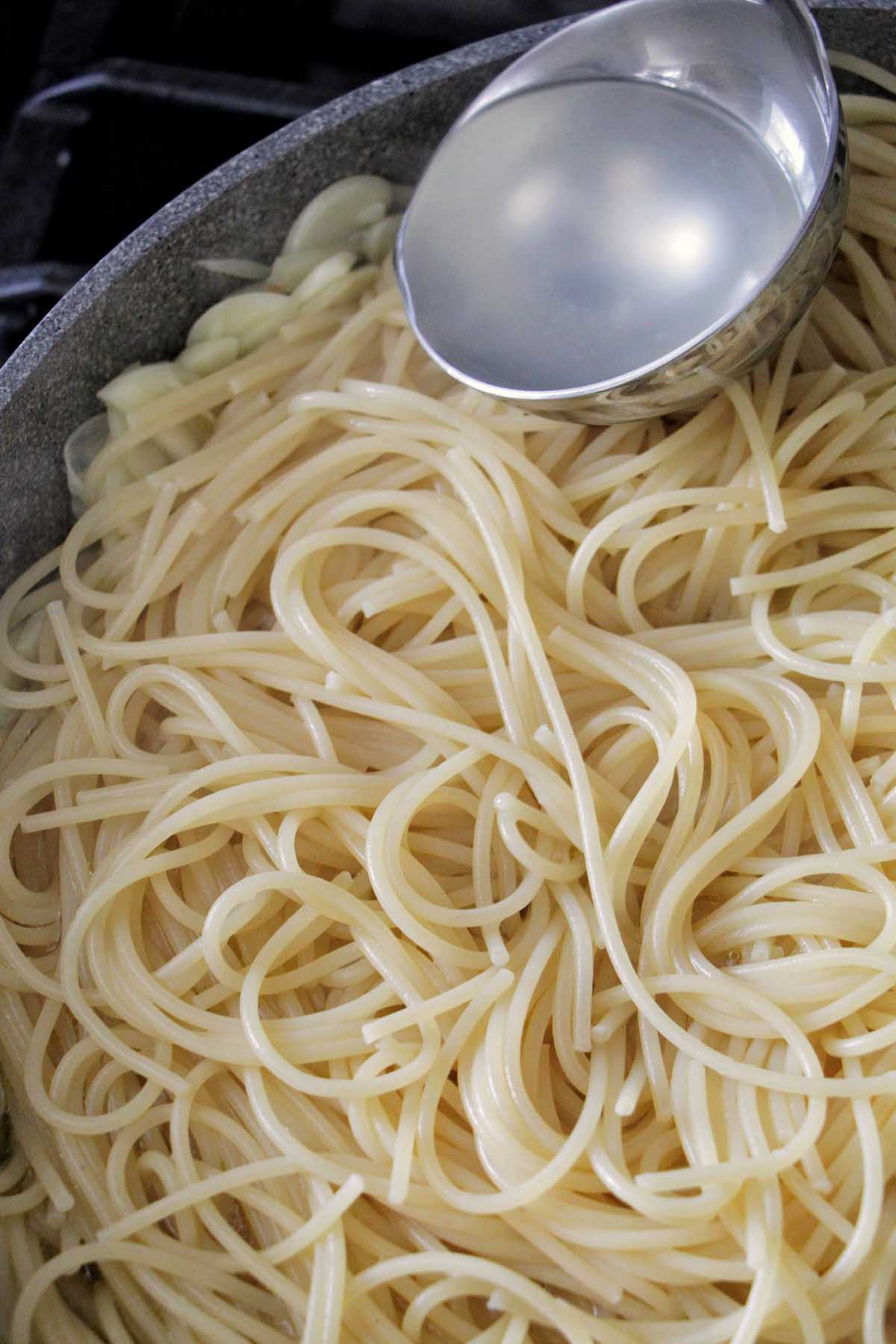
Mixing the starchy pasta water with your sauce helps to create a creamy pasta. In culinary school, we learned to use extra virgin olive oil (a fat) as the start of our sauce, then mix it with pasta water to create a creamy emulsion for our pasta.
5. Use Stock Instead of Pasta Water
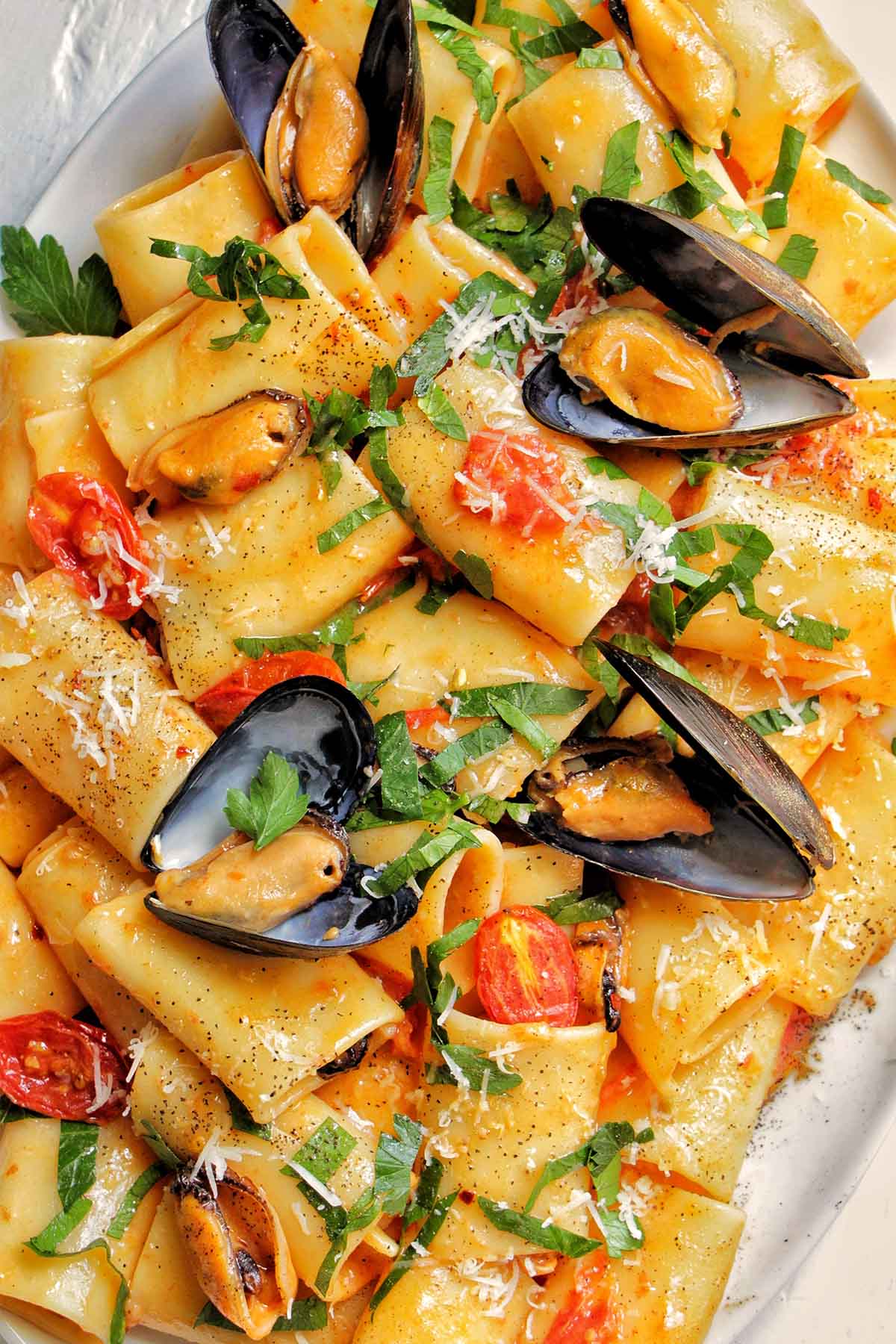
If you want to instantly level up the flavor of your pasta, try using a stock instead of pasta water. This works really well for seafood based pasta.
Make sure you've warmed the stock before adding it to the pasta while cooking with the sauce.
6. Finish Cooking Pasta With The Sauce
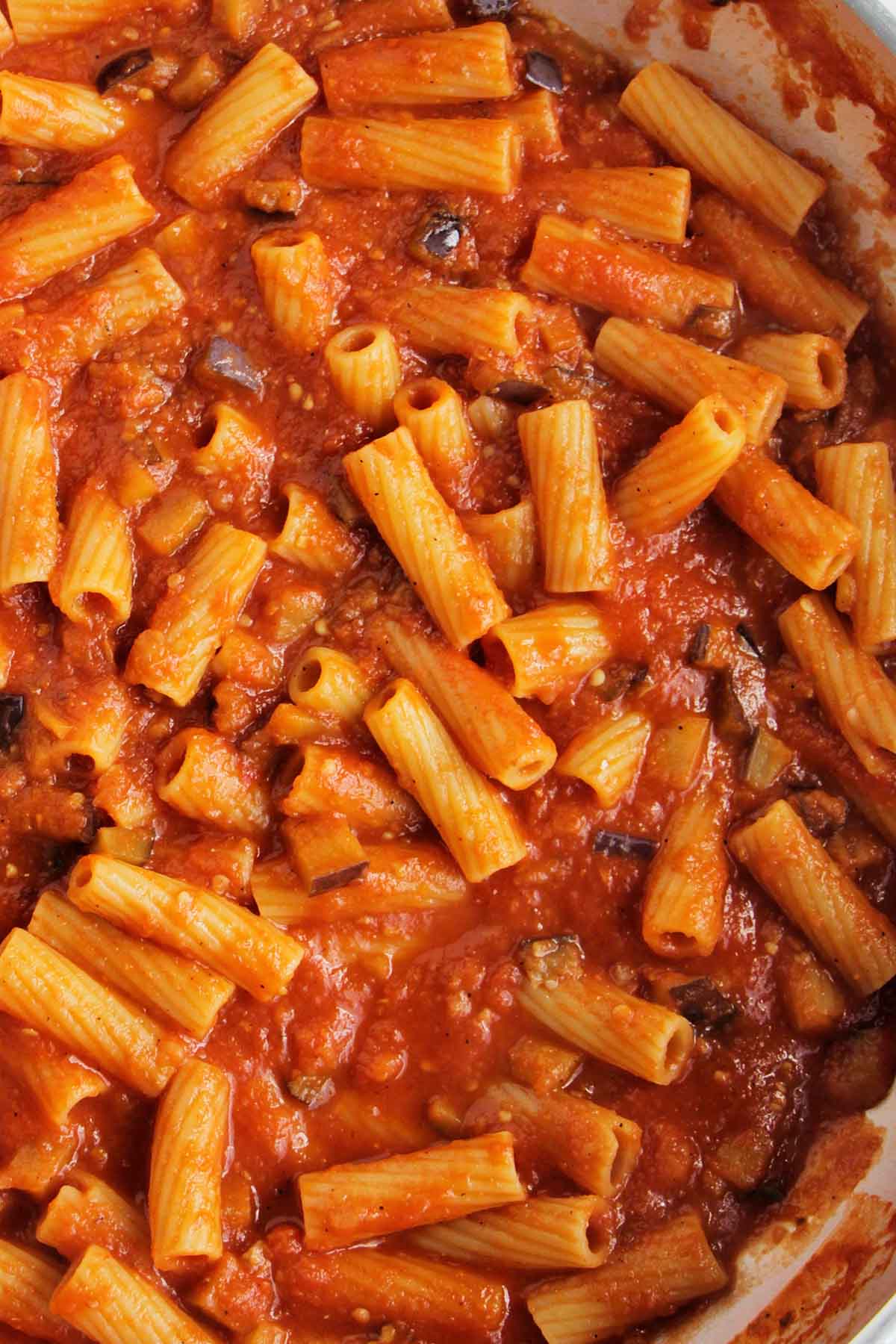
As I mentioned, the pasta should only be slightly cooked in the boiling water. After that, the pasta is transferred to the pan with the sauce to finish cooking.
During this process, you’ll want to ladle pasta water into the saucepan. This helps the pasta finish cooking and ensures the ingredients in the sauce don’t burn or overcook during the last part of the cooking process.
7. Add Water If You Can Hear The Pasta
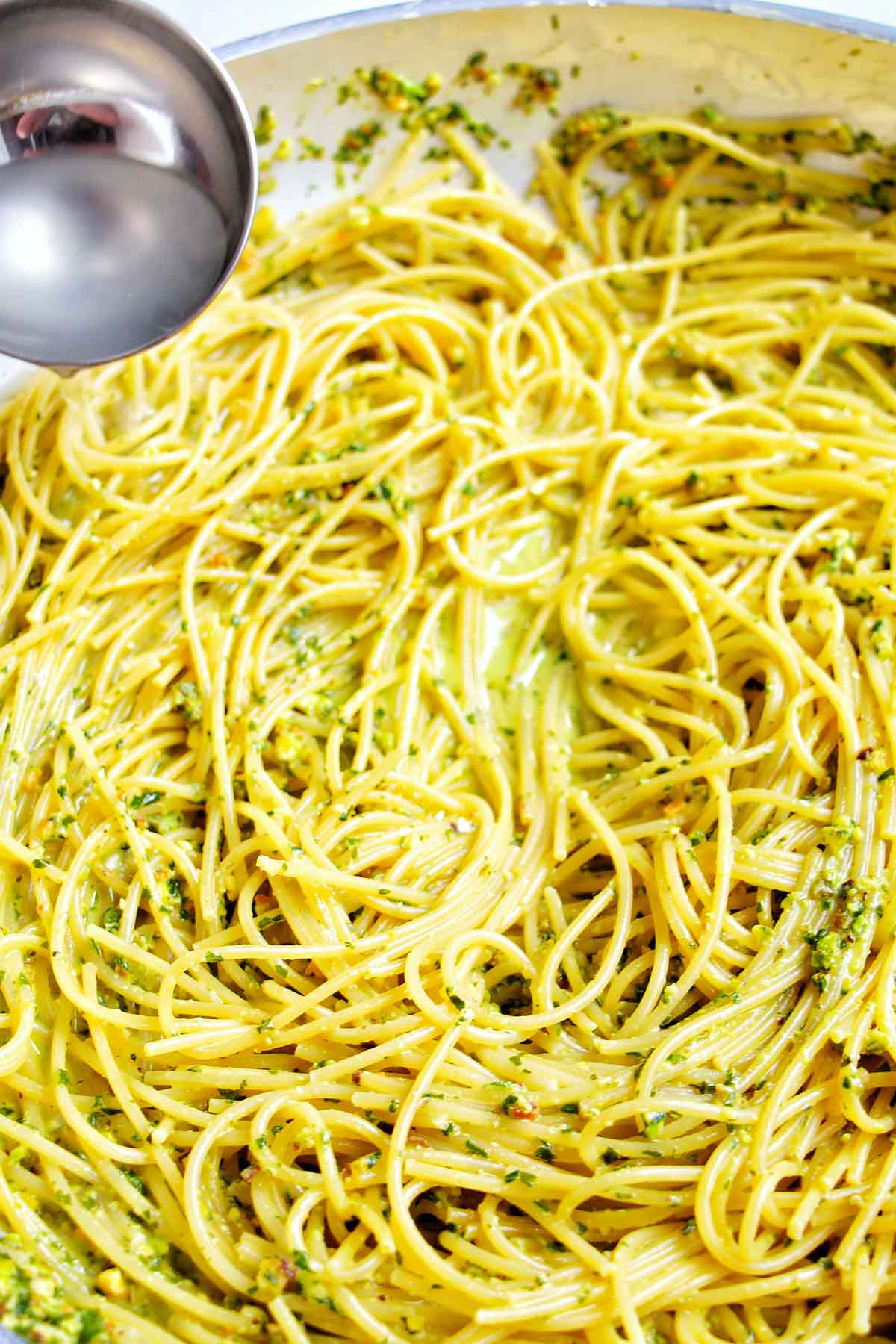
You never want to hear the pasta sizzling or searing while it cooks with the sauce. If you hear this, it's your cue to add more pasta water to the pan.
Make sure you pour the pasta water on the side of the saute pan (never on top of the pasta) to ensure the pasta stays al dente and doesn't overcook.
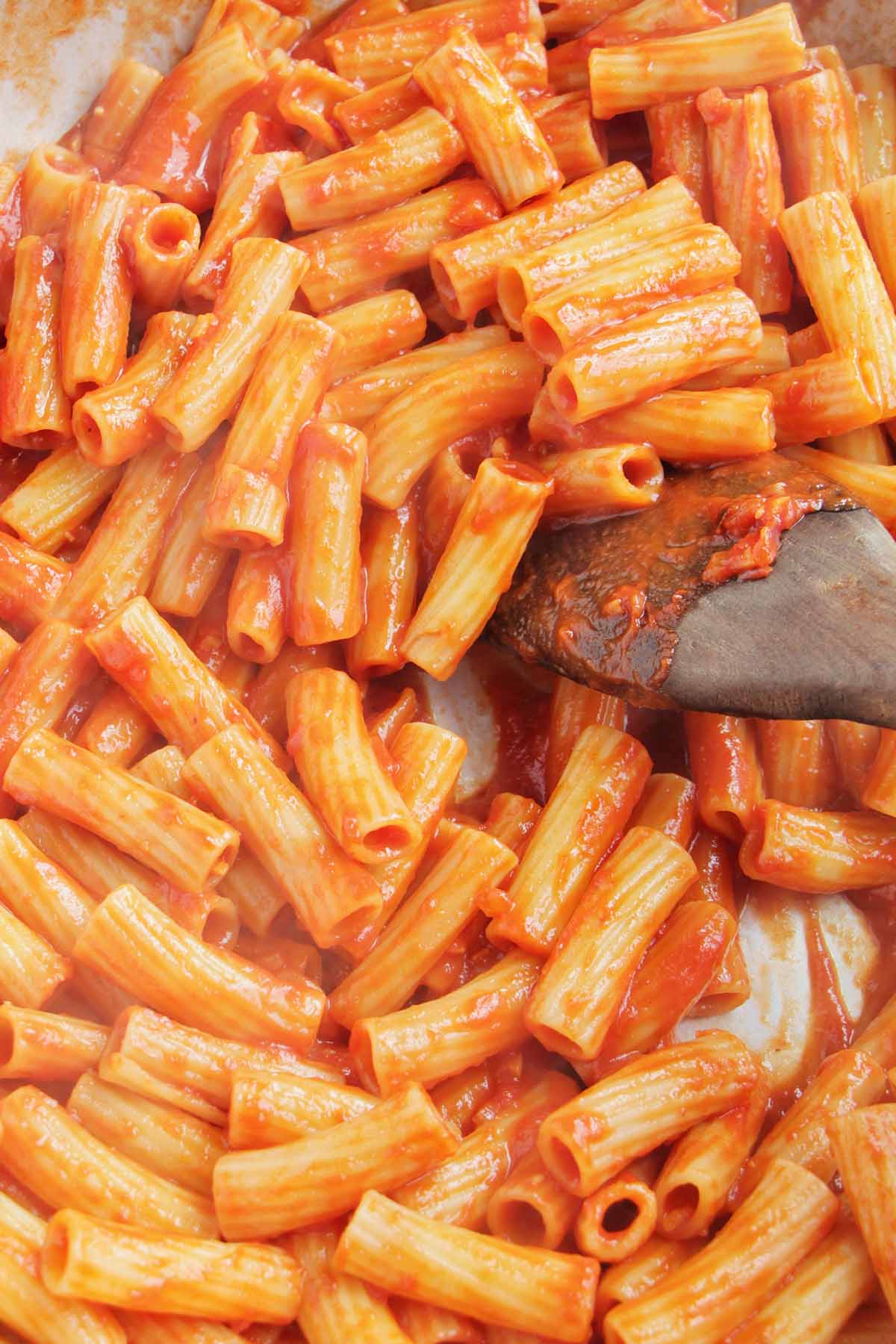
8. Cook The Pasta At High Heat
If you want super creamy and jammy pasta (you know, the kind that tastes like it’s been perfectly cooked together), then you need to turn your stove to high heat while you cook the pasta with the sauce.
It's also important to vigorously move the pasta around during this step. Both of these techniques, combined, will result in the perfect pasta.
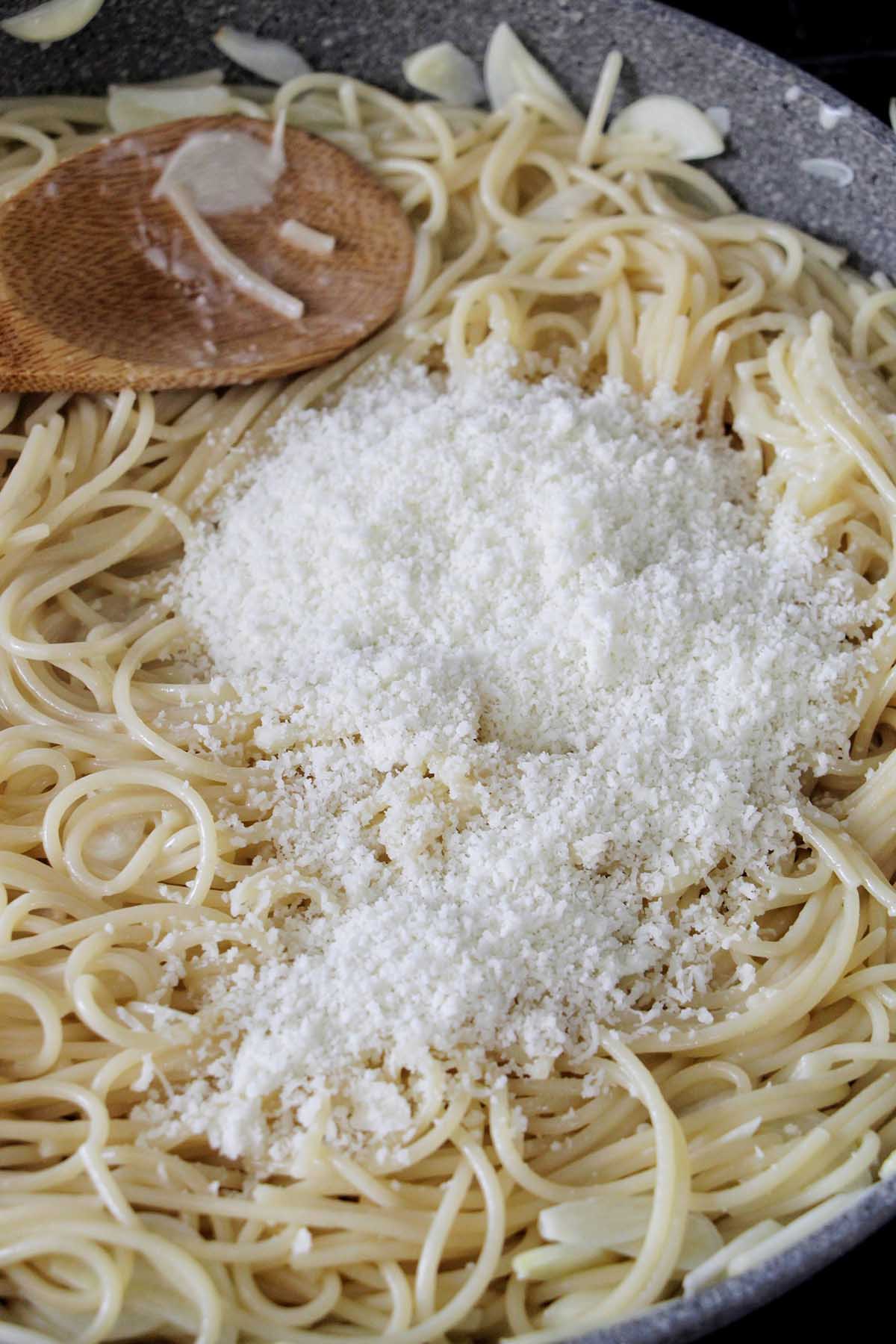
9. Add Cheese Without Heat
Always add the cheese to the pasta at the end of the cooking process. First, turn off the heat, then add the cheese on top and toss the pasta around to coat it evenly.
10. Taste And Season
After you've added cheese, it's important to taste the pasta and decide if more salt or pepper is needed. Some cheeses, especially pecorino, have a really salty bite to them.
Because of this, it's best to decide how much additional salt to add after the cheese has been added and mixed into the pasta.

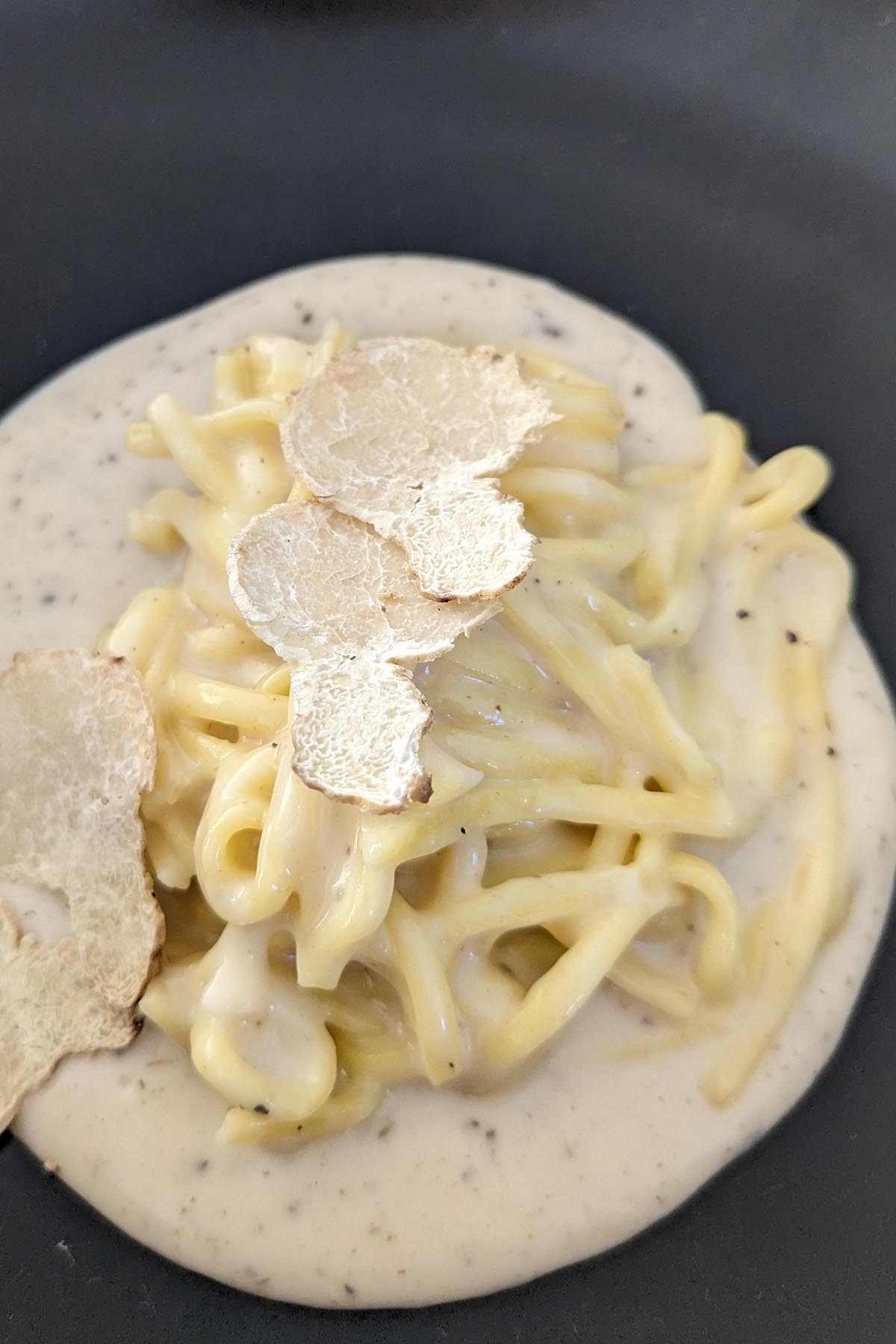
11. Don't Be Scared To Garnish
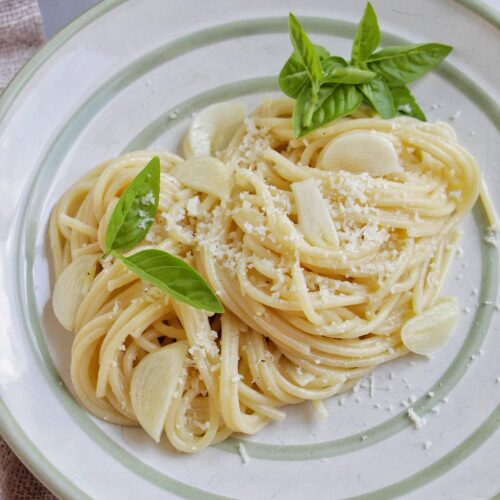
The garnishes you add on top of pasta, such as infused olive oil (like garlic oil or rosemary oil), cheese, and herbs, help to add tons of flavor. Don’t be shy about enhancing your pasta with these types of garnishes.
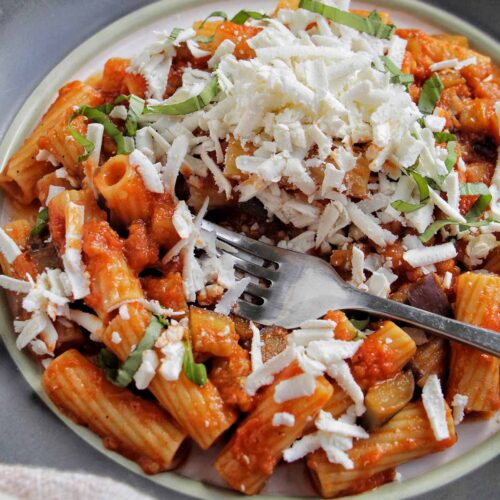
Italian Pasta Recipes
Try these techniques with some of my favorite pasta dishes from culinary school.


Love this guide? Please leave a comment below. Don't forget to follow along on Instagram, Facebook, YouTube, and Pinterest for more recipes.




Leave a Reply